Backyard Axe Throwing Rules, Scoring & Safety
Axe throwing is wildly satisfying, and yes, you can do it safely in your own backyard if you respect a few hard rules. You throw a hatchet at a wooden bullseye target from about 12 to 15 feet, and points depend on which ring the blade sticks in. The catch is that this is a real blade flying through the air, so safety is not optional. Read the safety section first, set up a proper backstop, and keep everyone behind the thrower.
What you need
- A throwing hatchet or axe (about a 1.5 lb head and roughly 14 in handle is beginner-friendly)
- A wooden target board made of stacked, end-grain or softwood planks so the blade can stick
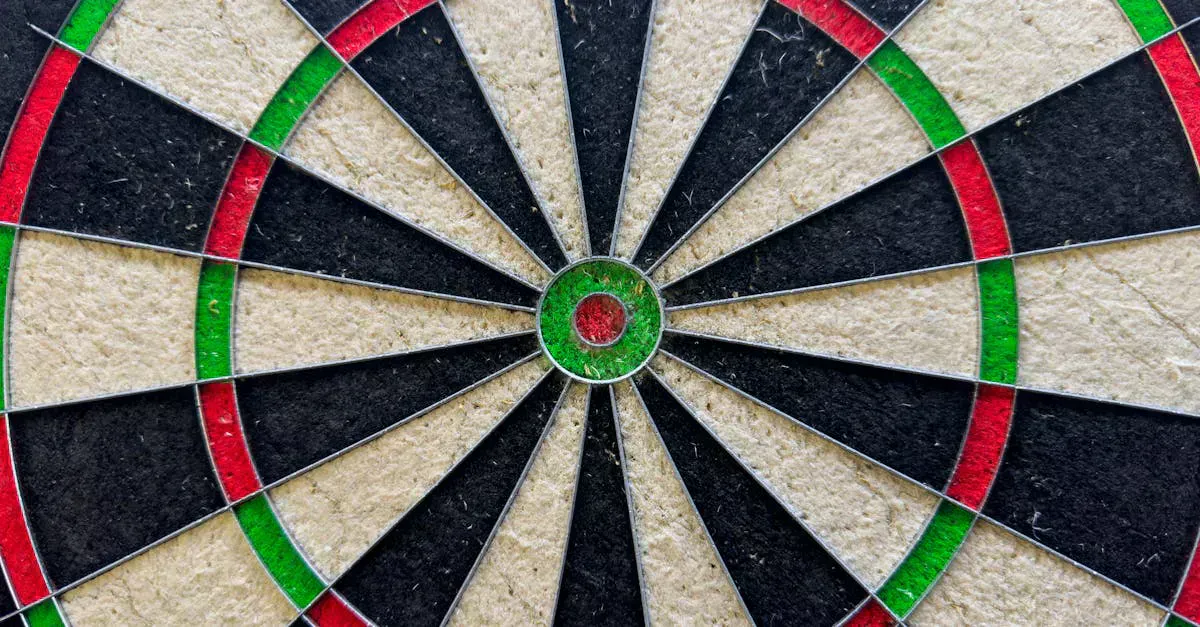
- A bullseye painted with scoring rings and clutch dots in the corners
- A solid backstop wall behind the target to stop misses
- A marked throwing line about 12-15 ft from the target
- For kids and casual play: a soft-axe or magnetic axe-throwing set instead of a real blade
How to play backyard axe throwing
- Build a safe lane firstSet the target against a solid backstop with open space around it. Keep all bystanders well behind the throwing line, never downrange or to the sides. Confirm axe throwing is legal where you live before setting up.
- Mark the throwing lineMeasure a throwing line about 12 to 15 ft from the face of the target. Everyone throws from behind this line. Step up only when the lane is clear and it is your turn.
- Grip and throwHold the axe near the end of the handle with one or two hands, square your shoulders to the target, and bring the axe straight back over your head. Release smoothly toward the bullseye, letting the axe rotate once before it hits.
- Let it stick to countOnly an axe that sticks in the board scores. If it bounces out or falls before you walk up, it counts as a zero for that throw.
- Retrieve safely between roundsWait until every thrower in the lane has thrown and the lane is confirmed clear, then walk up together to pull axes and read the scores. Never retrieve while anyone is still throwing.
- Rotate throwsPlayers take turns, typically throwing the same number of axes per round (often 5 throws per round, repeated over several rounds). Total up the points to find the winner.
Scoring
- The bullseye (center ring) is worth the most, commonly 6 points.
- Each ring outward is worth less: typically 4, then 3, 2, and 1 point as you move toward the edge.
- The small clutch (killshot) dots in the upper corners are a high-value bonus, often worth 7 or 8 points, but you usually must call for them before throwing.
- An axe that does not stick, or sticks outside the rings, scores 0. A standard match is several rounds of throws with the highest total winning.
Distance & setup
Fun variations
- Magnetic or soft-axe sets: the safe choice for kids, parties, and indoor play, with no real blade.
- Standard rounds: a set number of throws per round (often 5), totaled across several rounds.
- Call your clutch: declare the killshot dot before your final throw of a round to chase the bonus points.
- Closest to bullseye: simplest casual version, where the single throw nearest dead center wins the round.
Backyard Axe Throwing rules FAQ
Is backyard axe throwing safe?
It can be, but only with a real safety setup. Use a solid backstop behind the target, keep everyone well behind the throwing line and never downrange, retrieve axes only when the lane is clear, and use soft or magnetic axes for kids. Treat the axe like the real blade it is at all times.
How far away do you stand to throw an axe?
Most setups put the throwing line about 12 to 15 ft from the target. A common league distance is roughly 12 ft for a standard one-handed rotation throw. Adjust slightly so your axe completes one full rotation and sticks blade-first.
What are the dimensions of an axe throwing target?
A typical target board is about 4 ft tall by 2 ft wide, built from stacked softwood or end-grain planks. It has a bullseye of five concentric scoring rings plus two small clutch (killshot) dots in the upper corners, with the bullseye centered around shoulder-to-eye height.
How does axe throwing scoring work?
The bullseye is usually worth 6 points, with each outer ring worth less (4, 3, 2, 1). The corner clutch dots are a high-value bonus, often 7 or 8 points, but you typically must call for them first. An axe that does not stick scores zero.
Is backyard axe throwing legal?
It depends on where you live. Some cities and HOAs restrict throwing bladed objects, and rental properties may forbid it outright. Check your local ordinances and property rules before setting up, and always prioritize a safe lane with a proper backstop.
Can kids throw axes?
Not real ones. Children should only use soft-blade or magnetic axe-throwing sets designed for safe play. Real hatchets should be reserved for teens and adults under supervision, with strict lane safety rules in place.
Ready to play?
Grab a set and start your league this weekend. We ranked the best backyard axe throwing sets for every budget.
See our top backyard axe throwing picks → Printable rules card